A Rich History of Folklore
When it comes to folklore and superstitions, the people of Hawaii have a rich history, and it's good for visitors to learn about them.
Long before hotels, condos, and tourists roamed these blessed islands, Hawaii was a nation, a Kingdom, home to a rich culture filled with unique traditions and beliefs.
This culture lives on today, but modern Hawaii's traditions also reflect the islands' multicultural heritage. Each immigrant group added its own beliefs to the rich human tapestry and traditions.
In contemporary Hawaiian culture, local superstitions go much further than black cats or having seven years of bad luck from breaking a mirror, and often tie into the unique flora and fauna of the islands.
According to Hawaii Magazine, "There isn't a single culture that has immigrated to Hawaii that has not also brought with it the spiritual folklore of their origin." Though there may be different superstitions intertwined with Hawaii's native beliefs, we thought it would be both fun and informative to share just a few of Hawaii's cultural do's and don'ts.
Some of these will be interesting, and others will help you to be a more sensitive visitor to this unique and wonderful cultural melting pot.
Summary
Hawaiian folklore blends Native Hawaiian beliefs with the spiritual traditions of immigrant cultures, creating modern superstitions tied to the islands’ landscapes, deities, and history. This guide highlights key do’s and don’ts: don’t take lava rocks or sand (Pele), avoid carrying pork over Oahu’s Pali, keep bananas off boats, don’t whistle at night (Night Marchers), don’t pick the red lehua blossom, and beware the mischievous Menehune. Beyond entertaining stories, these serve as reminders to show Aloha and be a respectful visitor, with Bishop Museum and Iolani Palace offering deeper context.
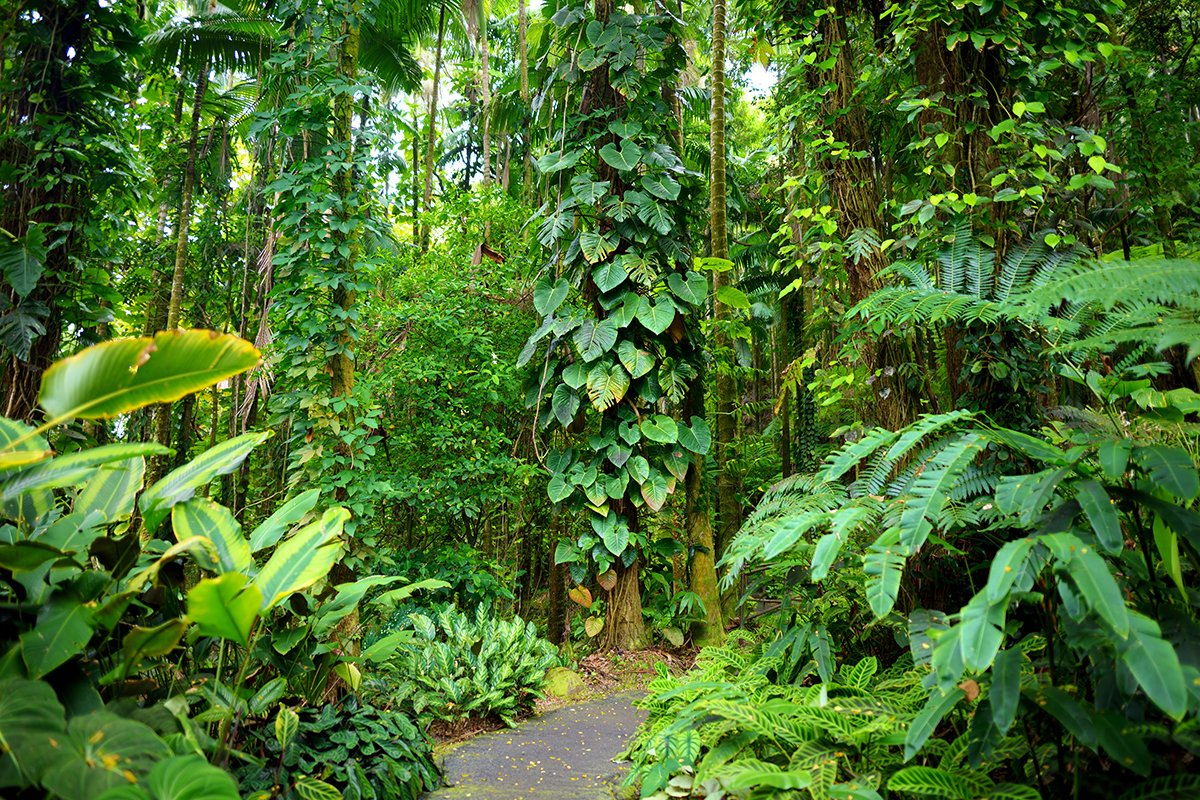
Don't pick a fern on the Pali - if you do, you'll get rained on!
Ancient traditions warn Pali-goers of picking a fern because it will rain regardless of the weather. So bring your umbrella if you plan on picking one of over 200 varieties of ferns native to Hawaii.
Note: It rains on the Pali on Oahu all the time, so, ferns or not, be prepared to get wet!
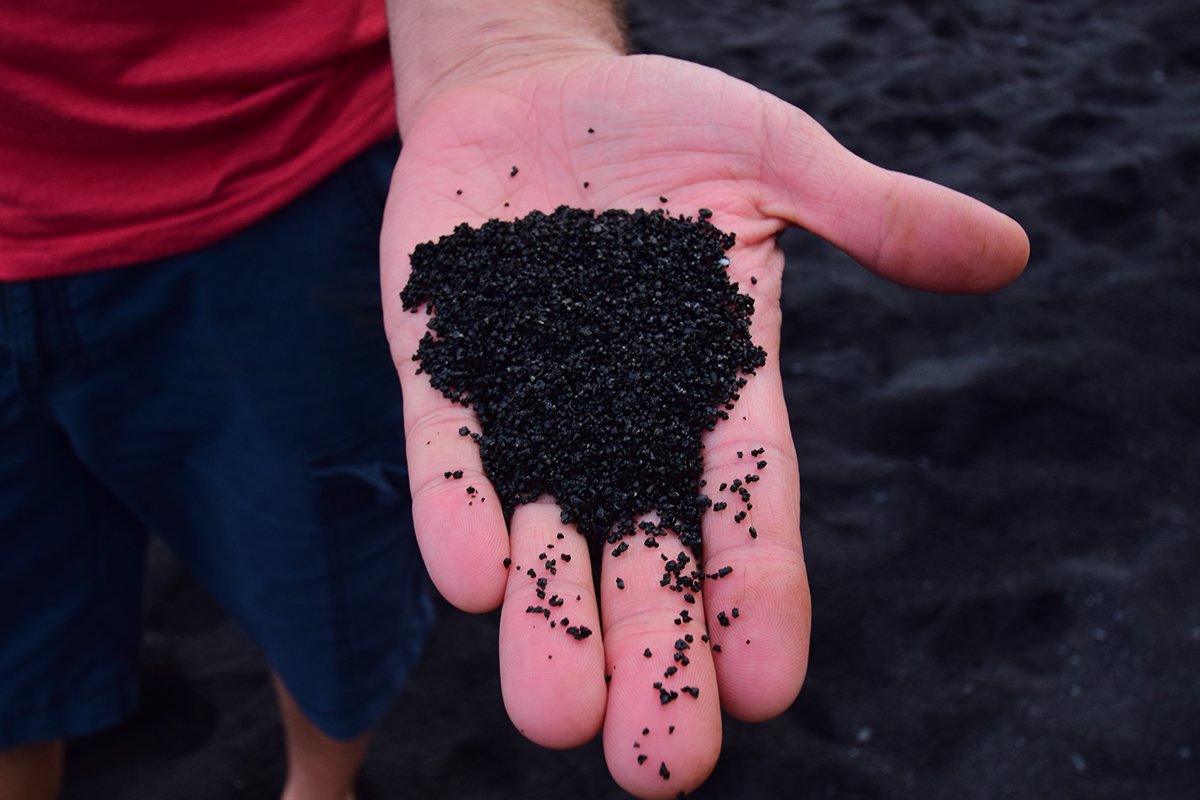
Don't take a lava rock from the Hawaii Volcanoes National Park or sand/rock from beaches in Hawaii— if you do, you will be cursed by the fire goddess Pele!
Legends say Pele is a beautiful fire goddess known for her power, passion, hot temper, jealousy, and for being the creator of the Hawaiian Islands themselves!
She usually appears as a woman with long hair wearing red or an older woman with long, white hair, holding a cane.
It has been said that if you take something natural from the Islands, such as a rock or sand, Pele will curse you. Pele believed in spreading 'Aloha'; she rewarded those who practiced the spirit of Aloha, and those who were selfish were to be ultimately punished.
Many stories are told about the fire goddess's wrath. Some visitors claim to have seen a woman in red dancing by the crater at Kilauea National Park, which is her home.
Note: Team members here at Exotic Estates have known people who have sent lava rocks back to Hawaii Volcanoes National Park after experiencing a series of unexplained mishaps upon their return home. So drop the rock...better safe than sorry!
If you want to get on Pele's good side, pay your respect to the fire goddess by greeting her and those who you meet on the island with Aloha.
Hawaii Volcanoes National Park Visitors Center showcases some items visitors have mailed back to the volcano with letters of apology after experiencing unusually bad luck.
Extra Credit - those who would like to really get on her good side, pay a visit to the Halema'uma'u crater and offer food or gin—it's her favorite!
Or, if you see her on the side of the road, stop to offer her some food and drink.
Don't take pork on the Pali Highway—it will upset Pele!
According to the ancient Hawaiian legends, Pele fell in love with Kamapua'a, the Lord of Pigs. Kamapua'a is a sensual hog spirit, a half-pig/half-man demi-god living in the swampy parts of Hawaii.
Although his epic battle over the land and romance with the fire goddess were well known, Pele was not his only lover. Kamapua'a also had a romantic connection with the snow goddess, Poliahu—no wonder these two goddesses can't stand each other! So, he is Pele's rival, ally, lover, and enemy.
Eventually, the two agreed not to visit each other or cross each other's land. However, taking pork over the Pali from the Windward side of Oahu means taking the form of Kamapua'a from his wet side of the island into Pele's dry side.
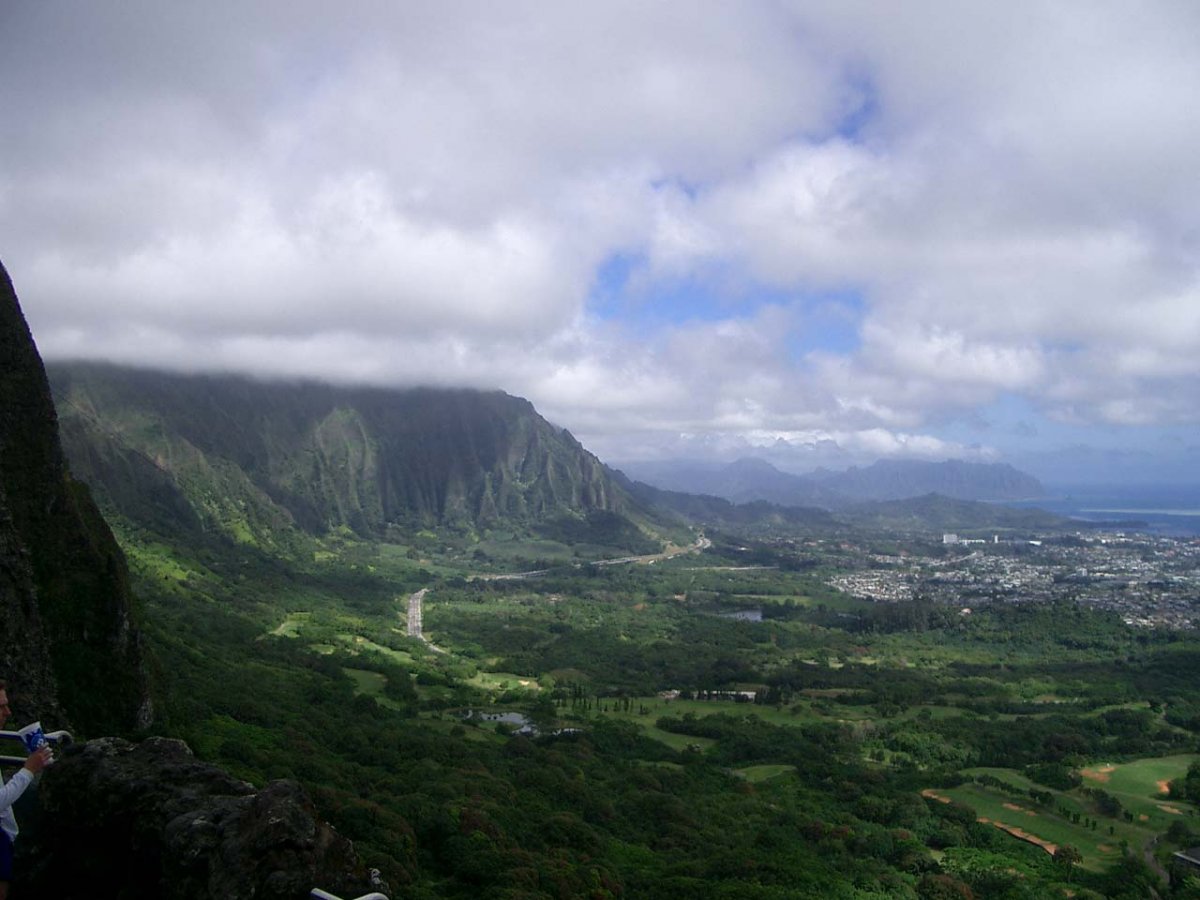
So, the story goes that if you do not want your rental car to break down, it is probably best to keep pork far from the Pali Highway, and if you absolutely have to travel with pork, wrap it in a ti leaf to keep you protected.
Don't bring bananas onto a boat—it's bad luck!
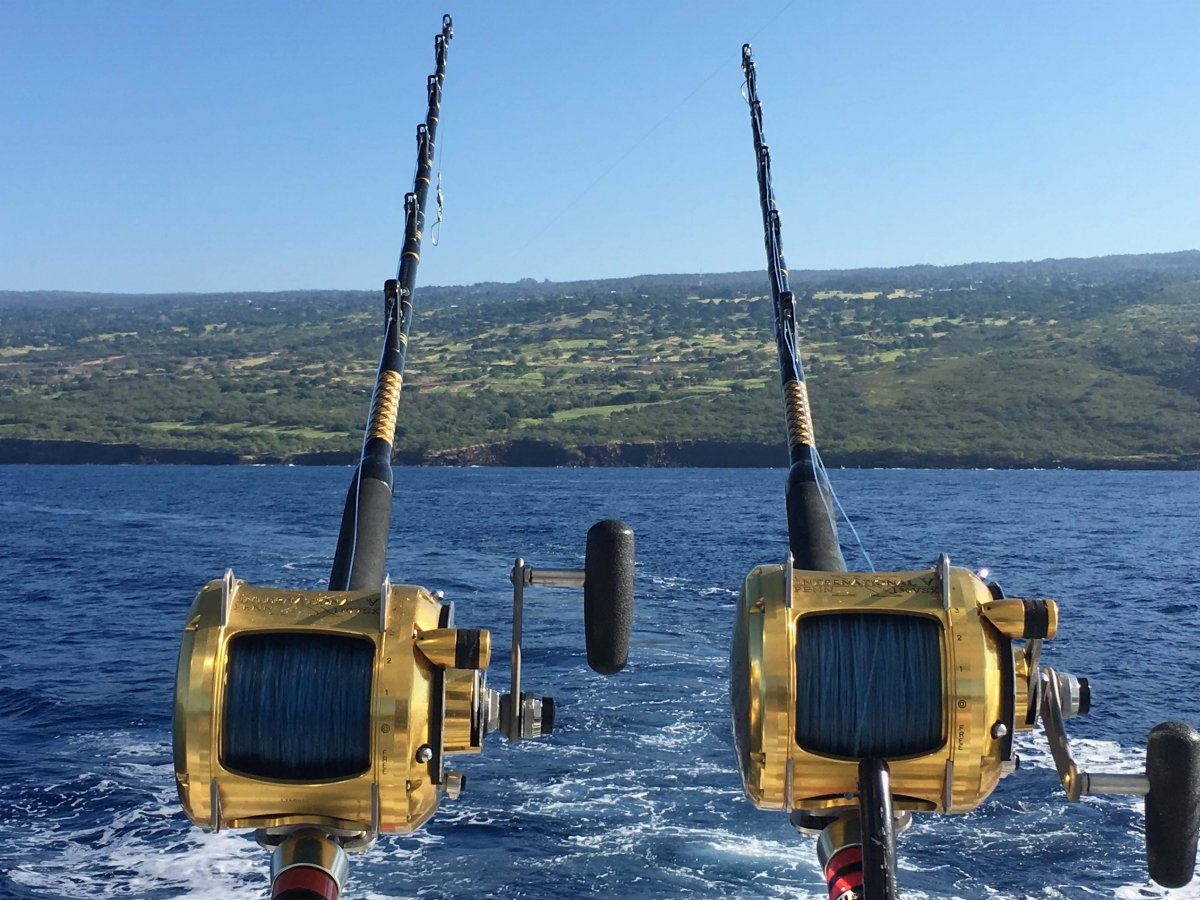
Those in Hawaii who fish regularly have perhaps heard about this superstition. However, it is thought that this belief goes back to simpler times in Hawaii, before motors and fiberglass bottoms.
Ancient Hawaiian fishermen did not have maps or boats to navigate; they mainly used dugout canoes to voyage to other lands or fish at sea. Boats and canoes transporting bananas needed to move quickly to avoid the fruit from going bad, leaving fishermen no time to fish at sea. Hence…no fish = bad luck!
If you have little travelers, skip Wahiawa Gulch!
Hawaiian tradition warns against bringing children to this breathtaking place for good reason. Wahiawa Gulch is home to a saddened, heartbroken soul called the Green Lady. She lost one of her children in the Gulch and has haunted it since; they say it took her child, and she will take yours in return.
You can gather things in three or five, but never four!
In order to avoid misfortune, make sure to avoid quantities of four when gathering or arranging objects. In Japanese, the pronunciation of the number four is "shi," which roughly translates to "death."
Do not whistle at night—it will attract the Night Marchers!
Who are the Night Marchers? The Night Marchers are known to be the spirits of the ancient Hawaiian warriors who moved with purpose to the sound of the drums as they headed out to battle. According to Hawaiian legends, some say these restless souls are looking for a way to reclaim their rightful territory or enter the new world.
It has been said that if you whistle at night, you are summoning the Hukai'po, aka the Night Marchers, and if you hear their drums—HIDE!
Note this is a legend that has legs in Hawaii until today. Even amongst the beauty of the land one can sometimes feel a haunting presence.
Picking the Red Lehua Blossom is a bad idea!
It has been said that Ohia and Lehua were young lovers, but one day, Pele came across the handsome Ohia and wanted him for herself. When he refused Pele, she became angry and turned him into a warped tree.
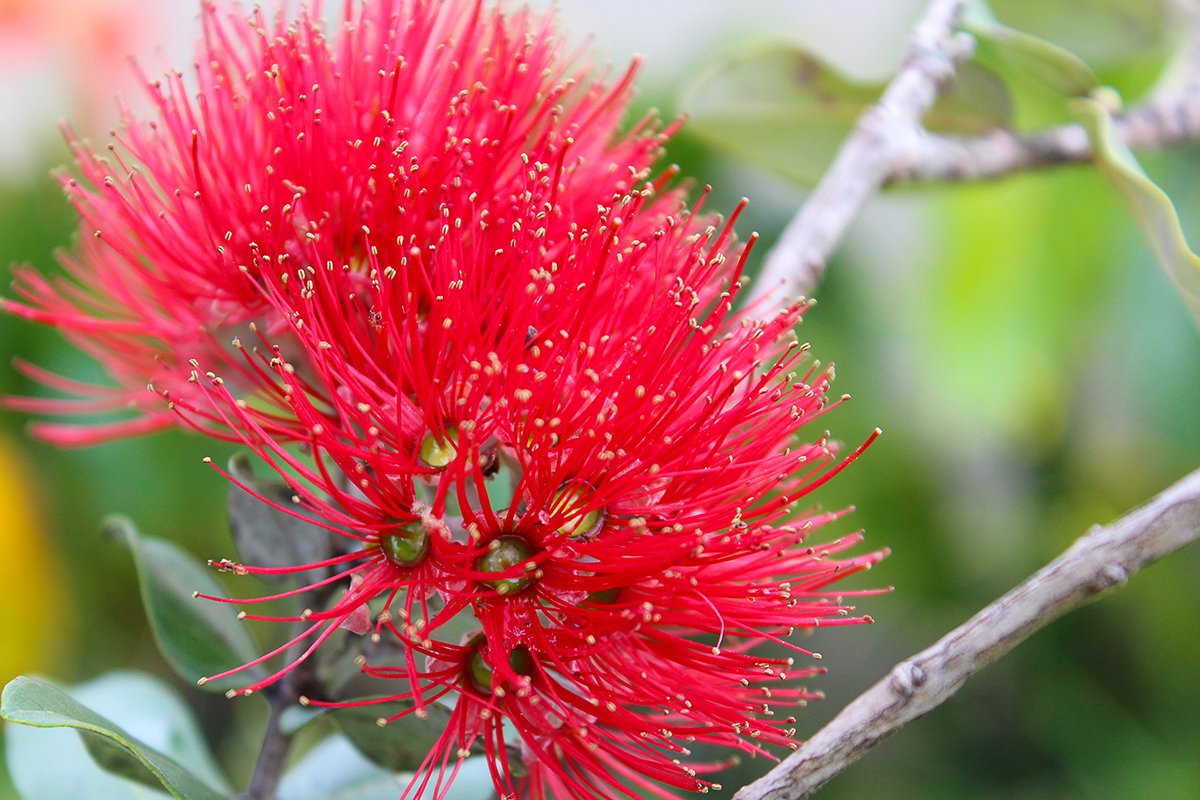
The beautiful Lehua begged the gods to help turn him back, but the gods were unable to reverse Pele's curse. Instead, they decided to turn Lehua into a stunning red flower and place her on the tree so that the two young lovers would never be separated.
According to the legend, as long as the blossoms remain on the tree, the weather will stay fine and fair. However, once the flower is plucked from the tree, the rain will fall like hot tears since Lehua cannot bear to be parted from her lover Ohia. They are Hawaii's very own Romeo and Juliet, who live on in the most romantic and poetic natural way.
Beware of the Menehunes!
Legends say the Menehune are tiny, mischievous people who lived deep in the valleys and forests of Hawaii long before the settlers arrived. They were said to be two feet tall and enjoyed dancing, singing, and archery.
However, the Menehune are also known to use magic arrows to pierce the hearts of angry people, igniting feelings of love instead. Local lore says they are intelligent, strong, and excellent artisans.
It is said that the Menehunes used their great strength to build temples, fishponds, and the Menehune Ditch on Kauai!
These are just a sampling of the Hawaiian folklore that exists in Hawaii. There are many more traditions spanning from silly to serious. They are interesting, romantic, and, in some cases, serve as a warning and guide for respectful behavior for visitors to the islands.
An excellent place to learn about the history of the Hawaiian people is the Bishop Museum on Oahu. Also, If you would like to learn more about Hawaii's royal family and how Hawaii went from nation to US territory, to state, visit Iolani Palace, the only royal palace on US soil.
Q&A
Question: What’s the main takeaway for visitors from these Hawaiian superstitions?
Short answer: Beyond fun stories, these beliefs remind visitors to show Aloha and respect local culture, land, and history. Hawaiian folklore blends Native Hawaiian traditions with those of immigrant communities, creating do’s and don’ts tied to the islands’ landscapes and deities. For deeper context, visit Bishop Museum and Iolani Palace.
Question: Who is Pele, and why shouldn’t I take lava rocks or sand?
Short answer: Pele is the powerful fire goddess credited with creating the Hawaiian Islands, often appearing as a woman in red or an elderly woman with white hair. Legends say taking natural items like lava rocks or sand brings her curse, while those who spread Aloha are rewarded. Show respect by greeting with Aloha, and, as the story goes, some pay respects at Halemaʻumaʻu crater, with offerings like food or gin.
Question: What’s the superstition about carrying pork over Oahu’s Pali Highway?
Short answer: Pork represents Kamapuaʻa, the half-man, half-pig demigod who is both rival and former lover of Pele. Carrying pork over the Pali means bringing a form of Kamapuaʻa from his wet side into Pele’s dry side, which is said to cause car trouble. If you must transport pork, the lore suggests wrapping it in a leaf for protection.
Question: Who are the Night Marchers, and how should I behave if I encounter them?
Short answer: The Night Marchers (Hukaiʻpo) are spirits of ancient Hawaiian warriors who march to drumbeats, especially on certain moonlit nights. Don’t whistle at night, it’s said to summon them. If you hear drums and see torchlight approaching, avoid looking directly at them and lie facedown as a sign of respect to stay protected.
Question: Why is picking the red lehua blossom discouraged?
Short answer: The lehua flower and ʻŌhiʻa tree symbolize the lovers Lehua and ʻŌhiʻa. When ʻŌhiʻa spurned Pele, she turned him into a twisted tree; the gods placed Lehua upon him as the red blossom so they’d remain together. Picking the flower is said to bring rain like Lehua’s tears, a poetic warning to leave the blossoms on the tree.
Mahalo for your kokua or cooperation!

By John Di Rienzo
Team Exotic Estates & Luxury Travel Specialist
Updated March 2026