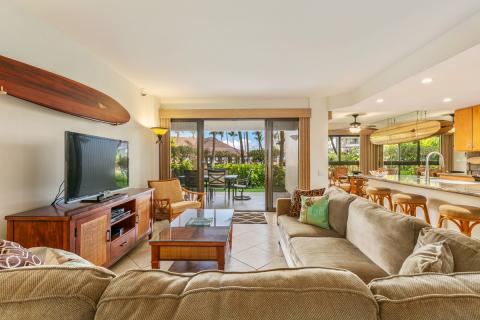
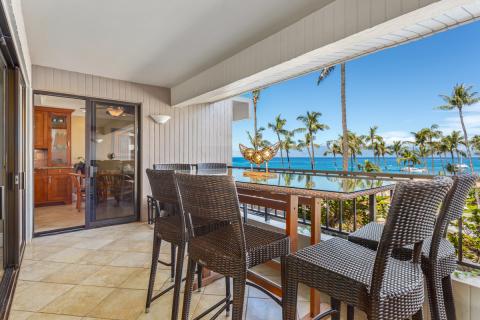
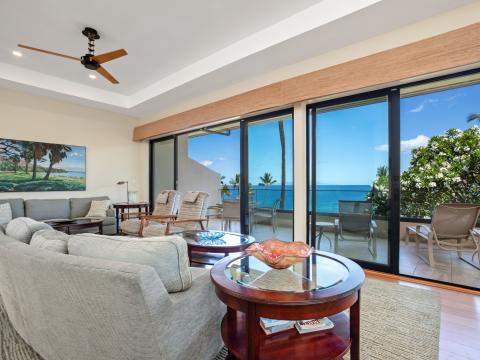
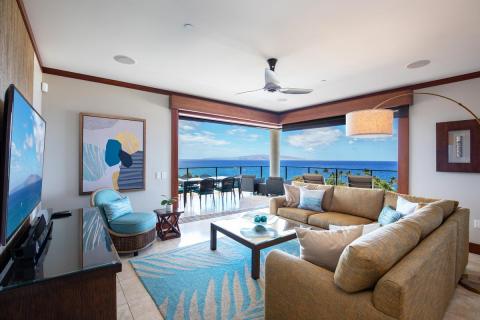
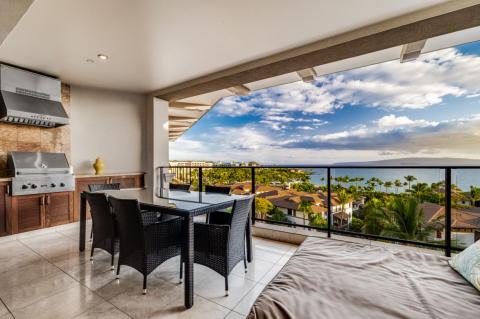
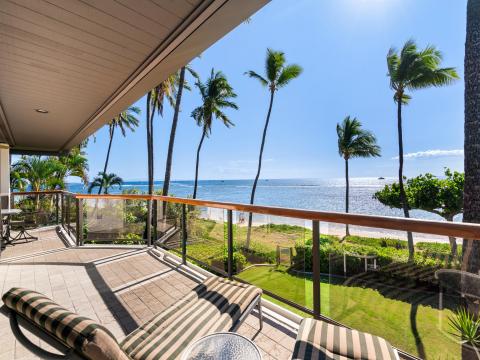
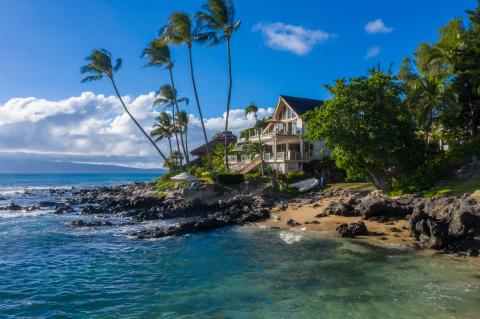
For anyone booking a luxury villa or beachfront rental on Maui, location influences not just weather but the kind of stay you'll actually have. A private home in Wailea or Kaanapali sits in one of the driest, sunniest pockets of the island, while a villa closer to Upcountry or the windward coast can see an entirely different forecast on the same afternoon. Knowing how Maui's microclimates work helps you choose a rental location that fits the vacation you're picturing.
One of the more surprising things first-time visitors learn about Maui is that checking "the weather" for the whole island is basically meaningless. Maui packs an enormous range of climates into a relatively small footprint, and understanding why will help you pack smarter, plan better, and book the right neighborhood for your trip.
Why Maui Has So Many Climates at Once
The short answer is mountains. Maui has two major volcanic masses, the West Maui Mountains and Haleakala, and both interrupt the trade winds that blow steadily from the northeast. As moist ocean air reaches these slopes, it rises, cools, and dumps rain on the windward (northeast-facing) side. By the time the air crosses the summit and descends onto the leeward (southwest-facing) side, it has lost most of its moisture and warms back up. This is called a rain shadow effect, and it's the single biggest reason Maui's weather varies so dramatically depending on which side of the island you're standing on.
West Maui: Dry Coastline, Wet Interior
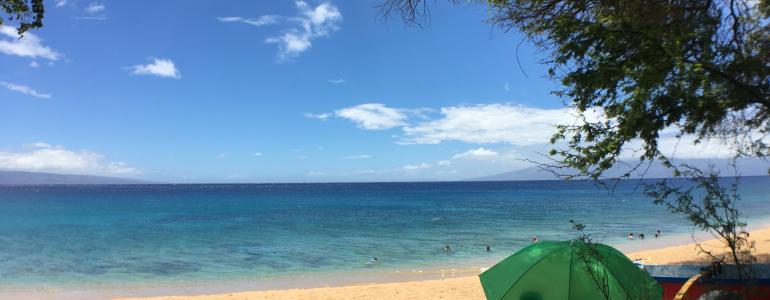
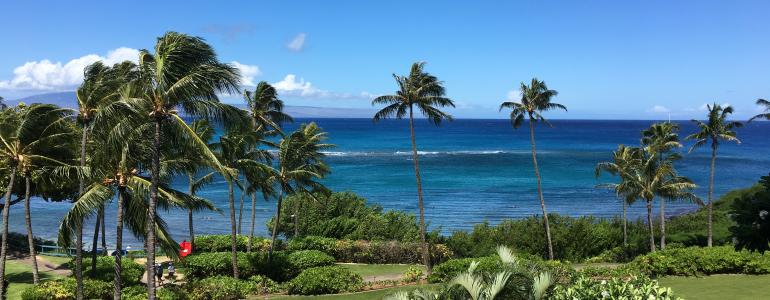
The West Maui Mountains create their own miniature version of this pattern. Lahaina, Kaanapali, and Kapalua, all sitting on the leeward coastal side, stay warm and dry for most of the year, which is exactly why this stretch became one of Maui's premier resort corridors. For travelers booking a villa or rental here, that usually means easier beach days. Drive just a few miles inland toward the mountains, though, and you'll find green valleys that receive far more rainfall, feeding waterfalls and supporting the dense greenery visible from the coast.
South Maui: The Driest Stretch on the Island
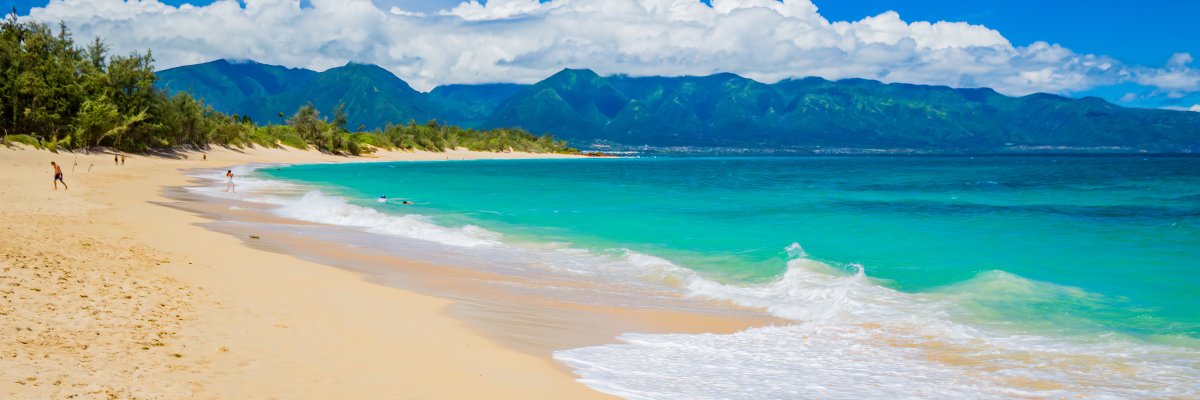
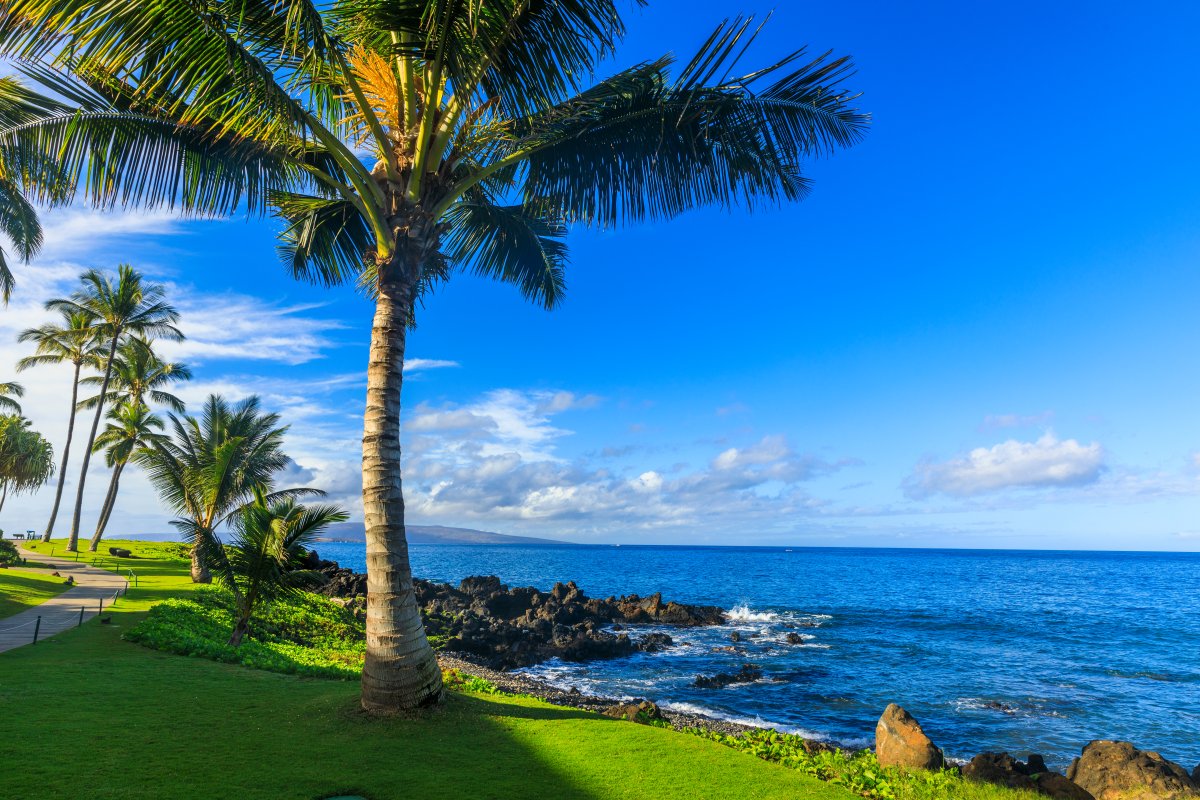
Kihei, Wailea, and Makena sit in the rain shadow of Haleakala and receive some of the lowest annual rainfall anywhere on Maui. This area can go weeks without measurable rain, particularly in summer, which makes it a solid pick for travelers booking a stay around sunny beach time. It's also a major reason luxury vacation rentals and beachfront villas in Wailea command some of the highest demand on the island. The trade-off is less greenery in some spots, since the landscape here is drier and more arid than in other parts of the island.
Upcountry: Cool, Misty, and Surprisingly Lush
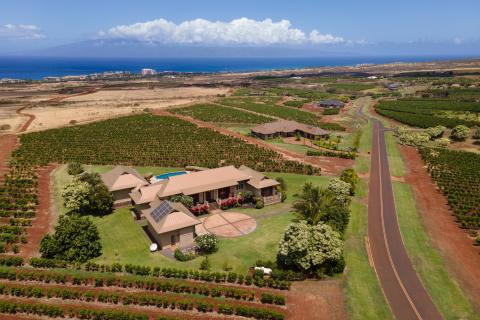
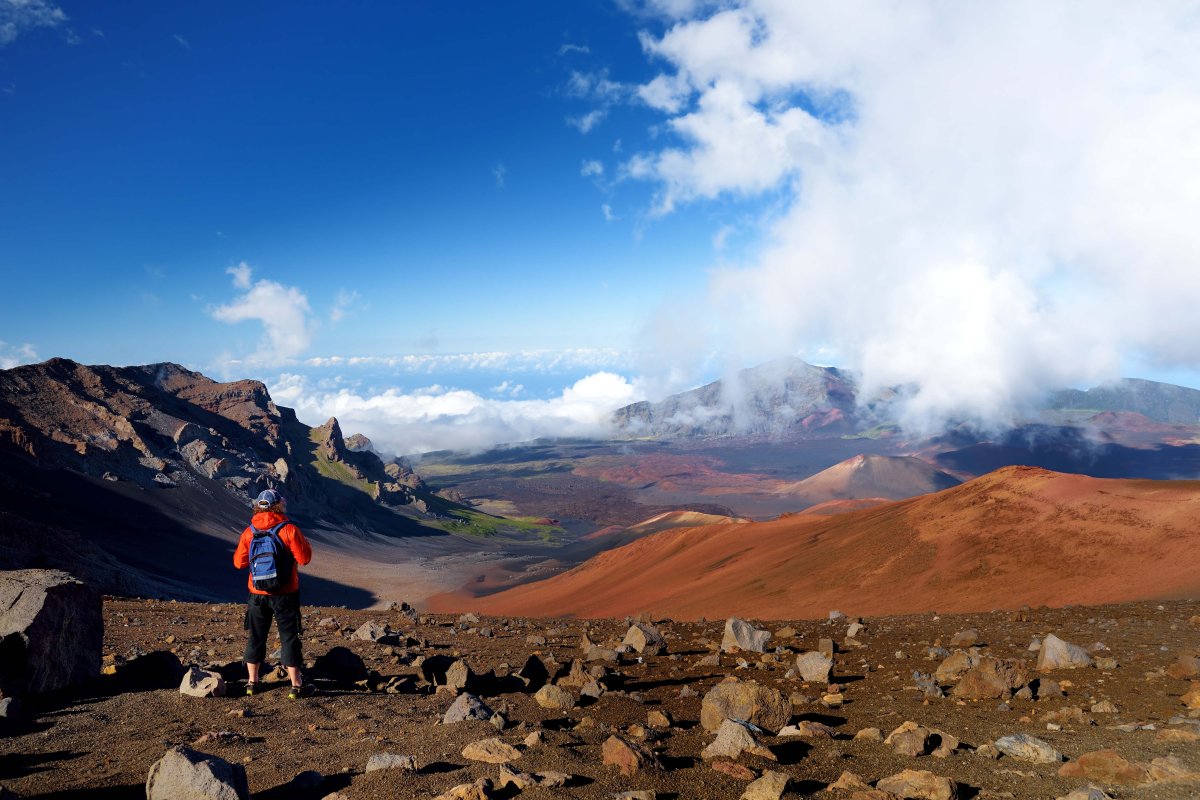
Climb into Kula, Makawao, or the slopes around Haleakala, and the temperature drops noticeably, sometimes by 15 to 20 degrees compared to the coast. This region gets enough rain and cooler air to support farms growing everything from lavender to strawberries to Maui's well-known onions. If you're booking time here, plan for cooler conditions than the coast. Visitors heading up for sunrise at the Haleakala summit are often caught off guard by how cold it gets at elevation, with temperatures sometimes dropping into the 30s or 40s before dawn, a far cry from the shorts-and-sandals weather down at the beach.
East Maui and the Road to Hana: Maui's Rainforest
The windward side of East Maui, including Hana and the stretch of road leading there, sits squarely in the path of incoming trade winds and receives some of the highest rainfall on the island, in places exceeding 300 inches a year. This is what creates the dense, tropical scenery that makes the Road to Hana so famous: waterfalls, bamboo forests, and a green canopy that feels like it's worlds away from the dry resort coastlines. If you plan to book a stay or day trip here, the wetter conditions are part of the experience. It's also why the drive can turn slippery or foggy with little warning, so checking conditions before heading out is always smart.

Haleakala's Summit: A Climate of Its Own
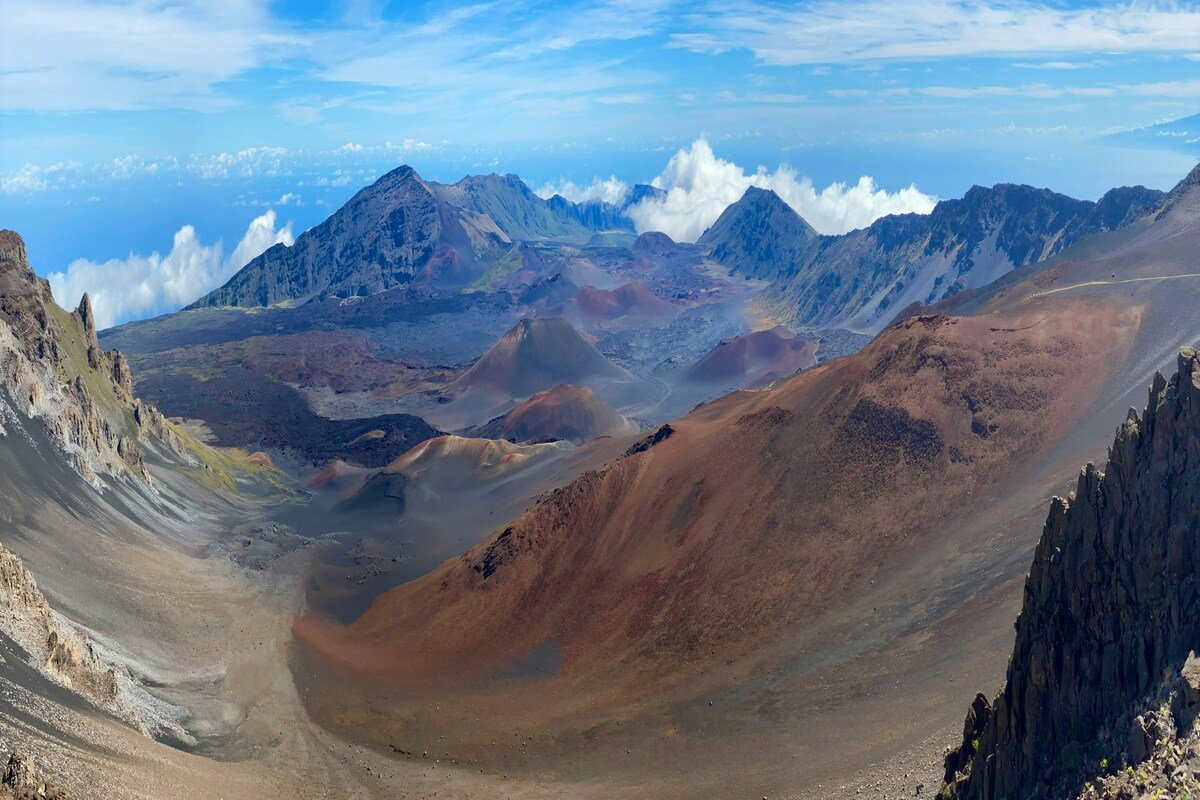
At over 10,000 feet, the summit of Haleakala sits above most of the clouds and weather systems affecting the rest of the island. Conditions here can shift from clear and sunny to windy and bitterly cold within the same hour, and snow has occasionally been recorded at the summit. This single mountain effectively contains a slice of nearly every climate zone on Earth, from tropical rainforest on its lower windward slopes to alpine desert near the crater rim.
What This Means for Your Trip
Because Maui's climate changes so quickly over short distances, a smart packing strategy is to layer. Light, breathable clothing works for the coast, but a jacket or sweater is essential for Upcountry visits or a Haleakala sunrise trip. If your travel dates fall during the wetter winter months and your itinerary depends on sunshine, booking in South Maui or West Maui will give you the best odds of dry, warm days, while still leaving the option to chase waterfalls and greenery on a day trip to Hana or the Upcountry farms. Few destinations let you experience this much climate diversity in a single afternoon of driving, and it's part of what makes Maui such a uniquely varied island to explore.
Frequently Asked Questions
Which part of Maui has the best weather for a beach vacation?
South Maui, including Wailea and Kihei, is the driest and sunniest region on the island thanks to the rain shadow created by Haleakala. West Maui, around Kaanapali and Kapalua, runs a close second. If you're booking a beach-focused villa or rental, these are the areas to focus on.
Why is it so cold at the top of Haleakala when the beach is warm?
Elevation. The summit sits above 10,000 feet, and temperatures there can be 30 to 40 degrees cooler than the coast, sometimes dropping into the 30s or 40s before sunrise.
Does it rain a lot on Maui?
It depends entirely on where you are. South and West Maui stay relatively dry year-round, while East Maui, near Hana and the windward slopes, can receive over 300 inches of rain annually.
What should I pack for a trip that includes both the beach and Haleakala?
Pack layers. Light clothing for the coast and a warm jacket for a sunrise trip to the summit, since the temperature swing between the two can be extreme.
Is West Maui or South Maui drier?
South Maui is generally the drier of the two, though both regions benefit from Haleakala's rain shadow and stay noticeably sunnier than Upcountry or East Maui.