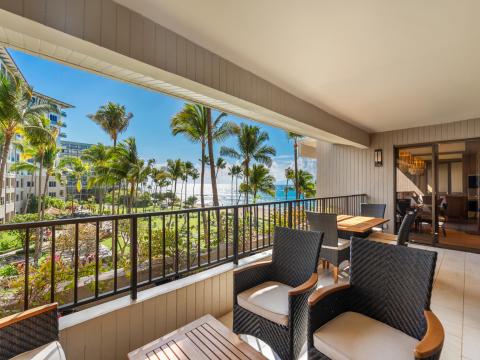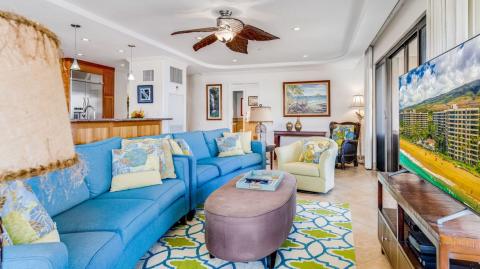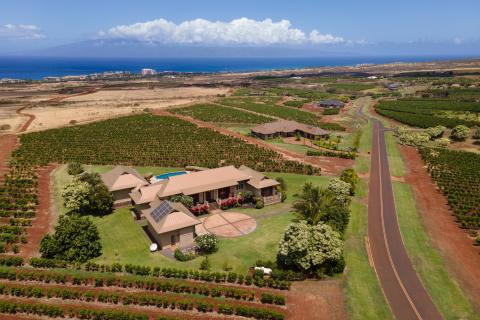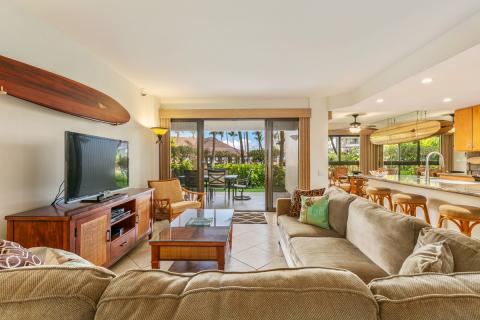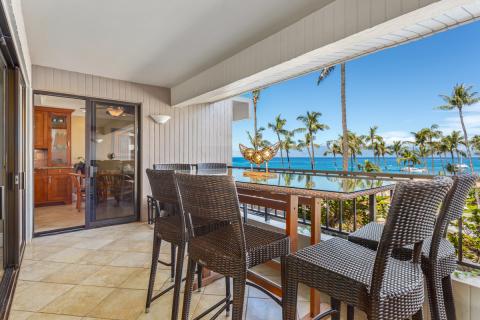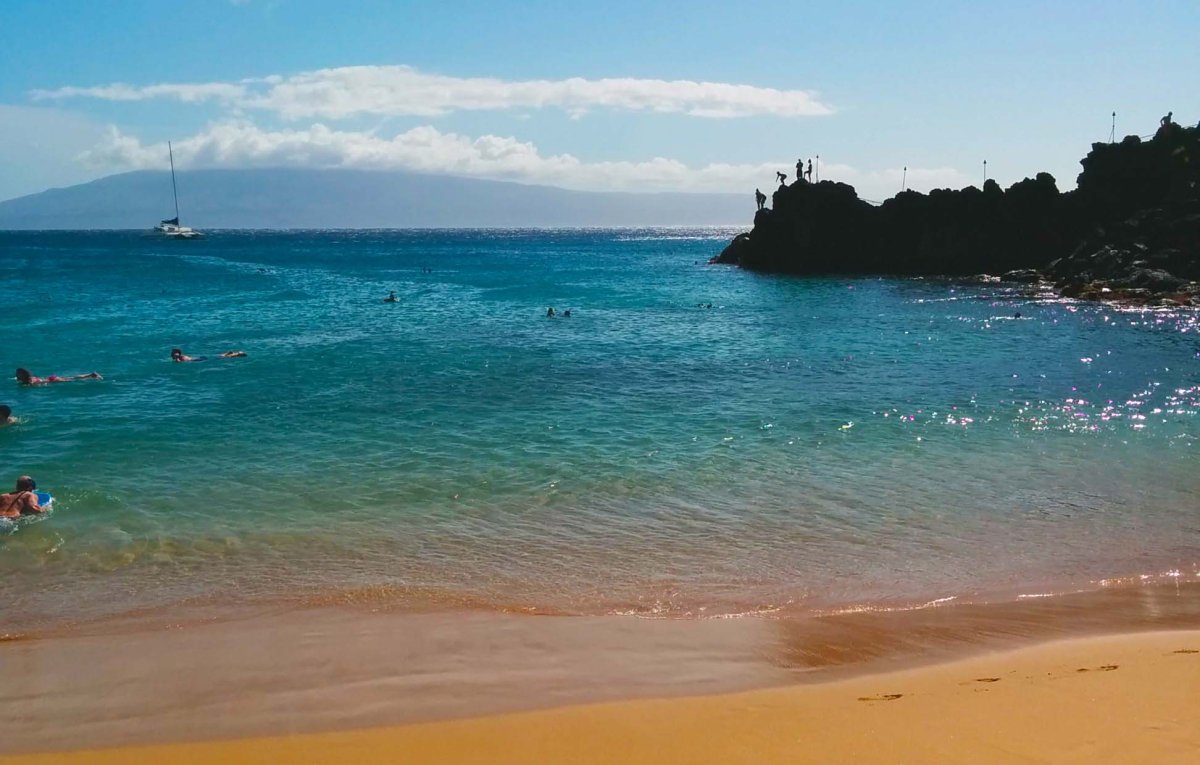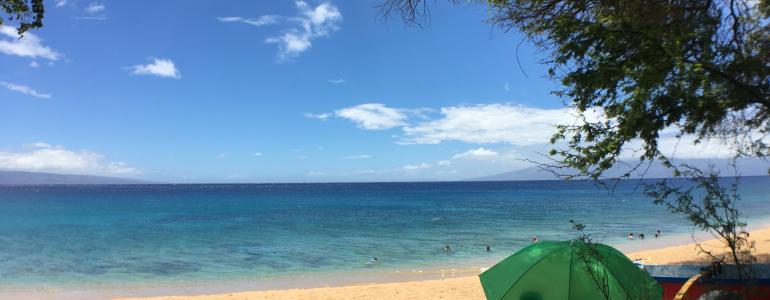
Staying in a private villa or beachfront rental on Maui puts guests closer to living history than almost anywhere else in the islands. West Maui, in particular, carries deep cultural weight, and travelers booking a luxury rental in Kaanapali or Kapalua often want to understand both the area's heritage and the honest, current state of Lahaina's recovery before they arrive.
A Brief Cultural Foundation
Maui's culture encompasses more than just luaus and surf lessons, though both are important. Native Hawaiian traditions like hula, chant, and malama aina, or land stewardship, are still practiced throughout the island rather than being preserved in museums.
Upcountry communities have strong paniolo, or Hawaiian cowboy, traditions that date back to the 1830s, as seen each June at the Makawao Parade. Plantation-era immigration from Japan, China, the Philippines, and Portugal influenced the island's cuisine, festivals, and family names, and this multiculturalism can be seen everywhere, from temple Obon dances in the summer to taiko drumming performances at the Maui Arts & Cultural Center.
Lahaina's Historical Importance
Before any of this, Lahaina played a unique role in Hawaiian history. It served as the Hawaiian Kingdom's capital in the early 1800s, before Honolulu rose to economic and political prominence. Later, Lahaina became a major hub for the Pacific whaling fleet, giving it a charming New England look in one of the most beautiful settings in the Hawaiian Islands.
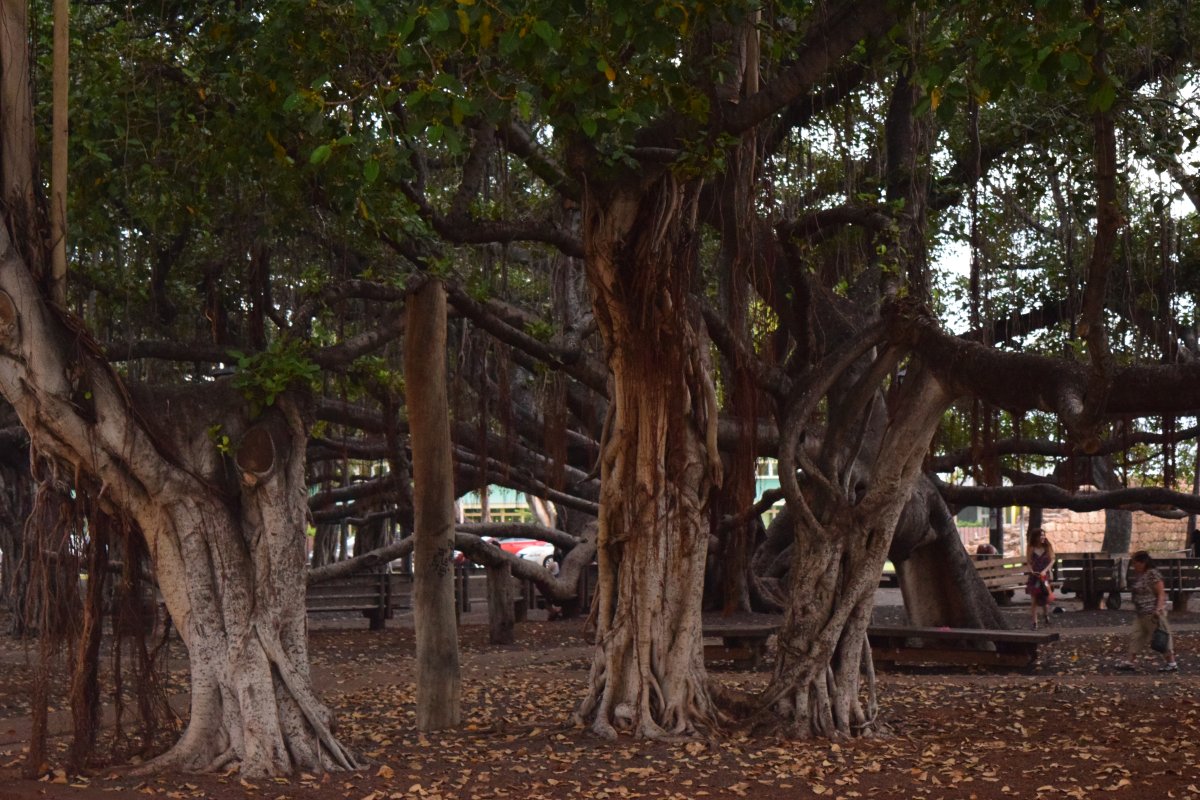
Its Front Street district, which is lined with historic buildings, galleries, and the famous banyan tree planted in 1873, made it one of the most photographed and beloved towns in the islands long before it became a resort destination.
We're very happy to report that the banyan tree survived the fire and is starting to flourish once more, creating a visible sign of rebirth and healing.
What Happened in August 2023
A wind-driven wildfire tore through Lahaina on August 8, 2023. Approximately 2,200 structures were demolished. Permanently altering the town's landscape. It is widely regarded as one of the most deadly wildfires in modern American history. Every family in West Maui was affected in some way as the devastation went beyond buildings.
How Our Team Helped
In the immediate aftermath of the fire, our team quickly organized a working kitchen to support the community. Even residents who didn’t lose their homes lost their livelihoods. We worked alongside local organizations, volunteers, and donors to support those affected.
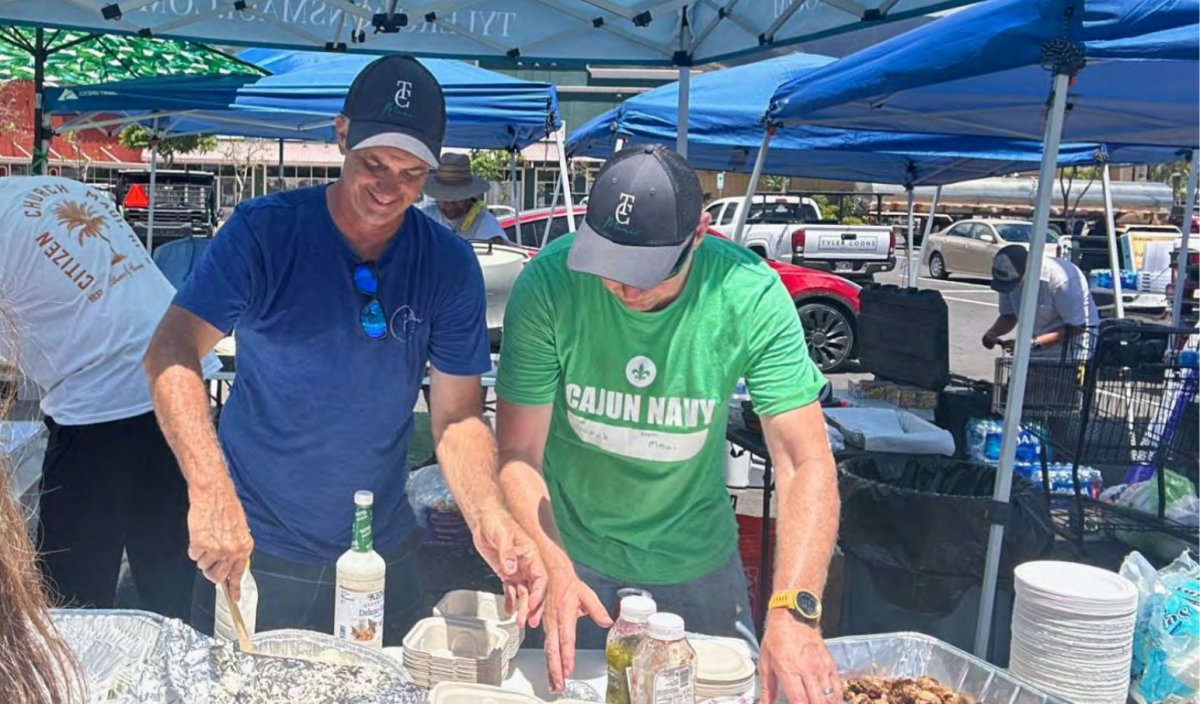
Our team made the following contributions to make a meaningful impact through the following efforts:
- 25,000+ meals were served to displaced families, first responders, and community members in need, representing more than 2,300 volunteer hours.
- Approximately $165,000 in emergency grants were raised and distributed to help displaced families cover urgent expenses during the recovery period.
- 10 Starlink satellite internet devices facilitated for donation to mobile medical units and other organizations providing critical emergency services when traditional communications were disrupted.
Where Recovery Stands Today
Recovery has been slow due to necessity, but it is definitely moving forward. As of early 2026, hundreds of rebuilding permits had been issued, and hundreds more were being processed, with expedited residential reviews now taking less than 30 days.
The first major permanent affordable housing project since the fires began in late 2025 will provide displaced families with two-, three-, and four-bedroom homes, with additional housing developments set to begin this year.
Commercial rebuilding in the historic Front Street core moves more slowly, since every project there requires approval from the Cultural Resources Commission to preserve the district's historic character, but a cultural pule or blessing denoting a symbolic step in the recovery process was held in January 2026, and shoreline pathways near the harbor reopened to the public the previous year.
West Maui resort areas outside the historic core, including Kaanapali and Kapalua, have remained fully open and operating throughout the recovery, with major properties running at full capacity and welcoming visitors. Visitor numbers to Maui have continued to climb year over year as the island's broader recovery takes hold, even as Lahaina town itself is still a work in progress.