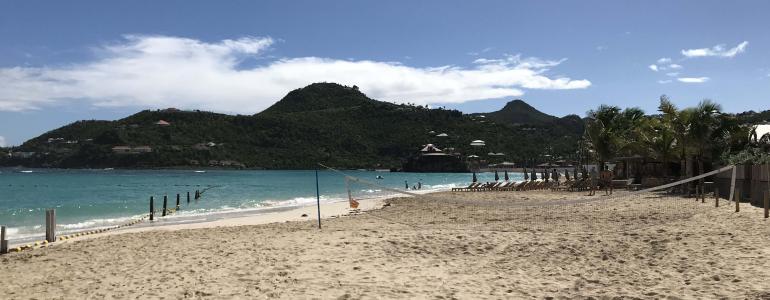
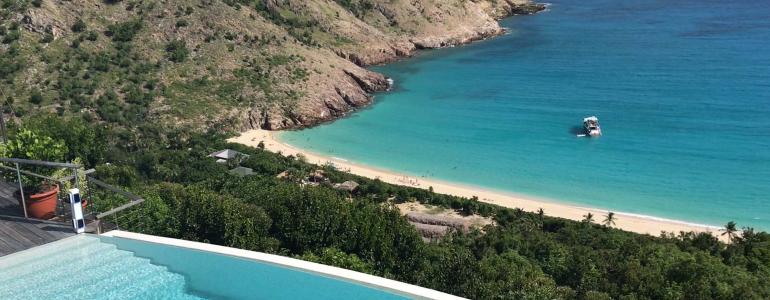
Most Caribbean islands offer beautiful beaches and warm weather, but St. Barts is special because of its unique atmosphere. French influence impacts not only the language, cuisine, and shops but also the island’s architecture, daily life, and hospitality. This gives St. Barts a distinct mix of French Riviera quiet luxury and laid-back Caribbean culture.
A lot of people think St. Barts is just about luxury, with yachts and designer shops in Gustavia. Those things are there, but they’re only one side of the island. If you look around, you’ll notice fishing boats leaving before sunrise, bakeries opening early, and small villages where community and family businesses are still important.
This mix of poise and authenticity is one reason so many travelers come back year after year, and it additionally spotlights the island’s French character.
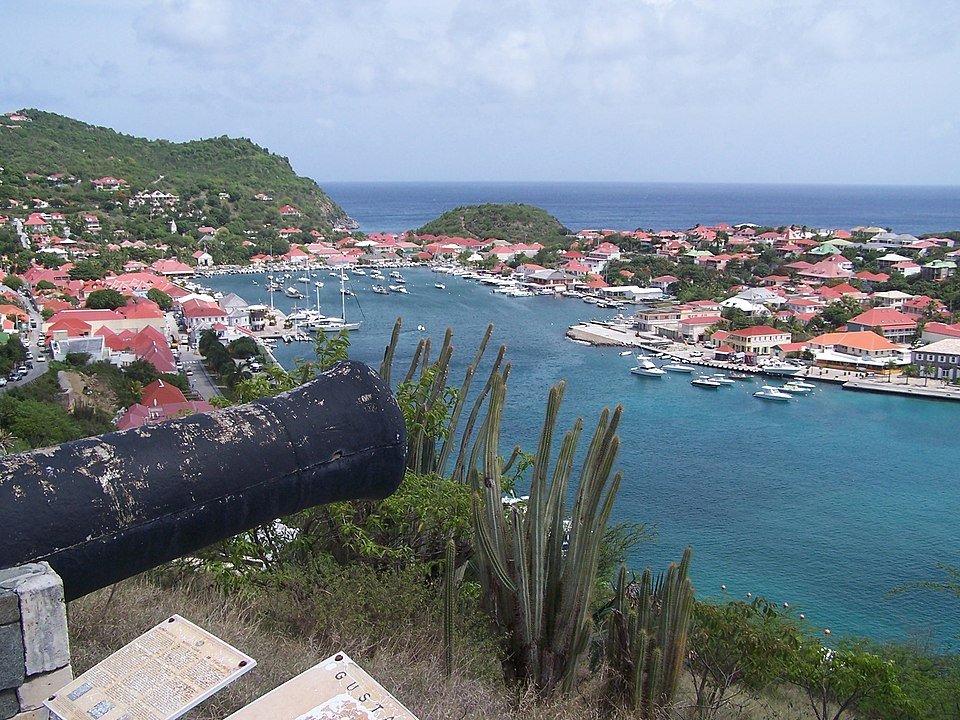
A French Overseas Collectivity
St. Barts, officially called Saint Barthélemy, is an overseas territory of France. This means French is the main language, the euro is used as the currency, and daily life follows many French customs and systems.
English is spoken in most hotels, restaurants, shops, and villa services, so international visitors find it easy to get around.
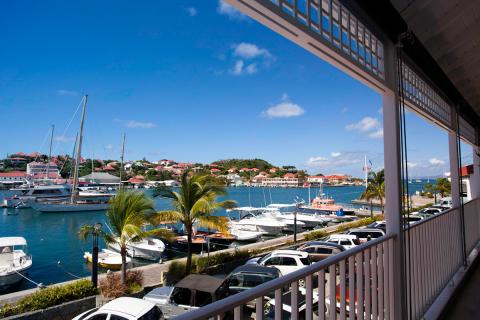
The French influence is visible everywhere, from freshly warm baked baguettes in neighborhood boulangeries to carefully crafted wine lists and open-air cafés overlooking the harbor, strengthening the island's French character.
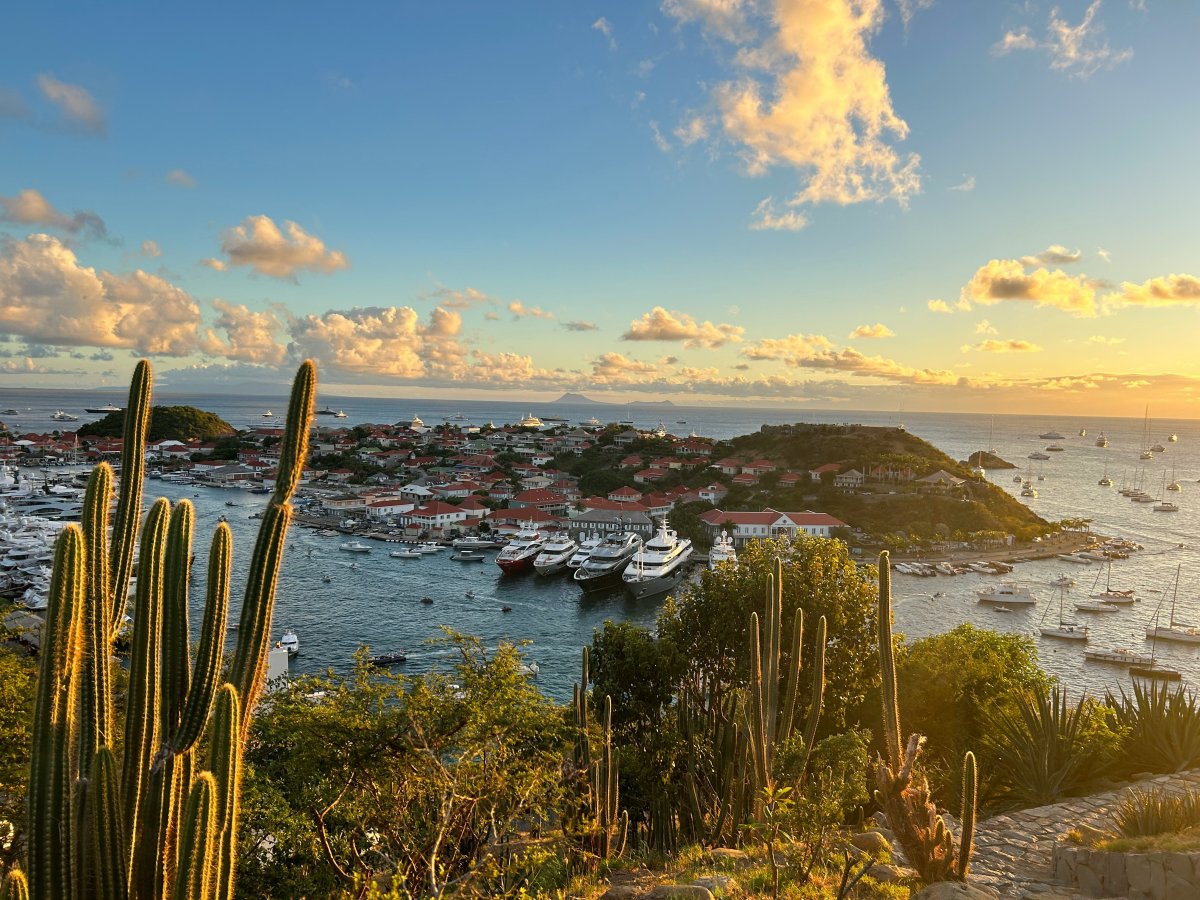
A History Which Shaped the Island
St. Barts is different from many other Caribbean islands because it never had large plantations. The rocky land and limited fresh water made big farms impossible.
Instead, fishing, small farms, sea trade, and eventually tourism became the main parts of the island’s economy.
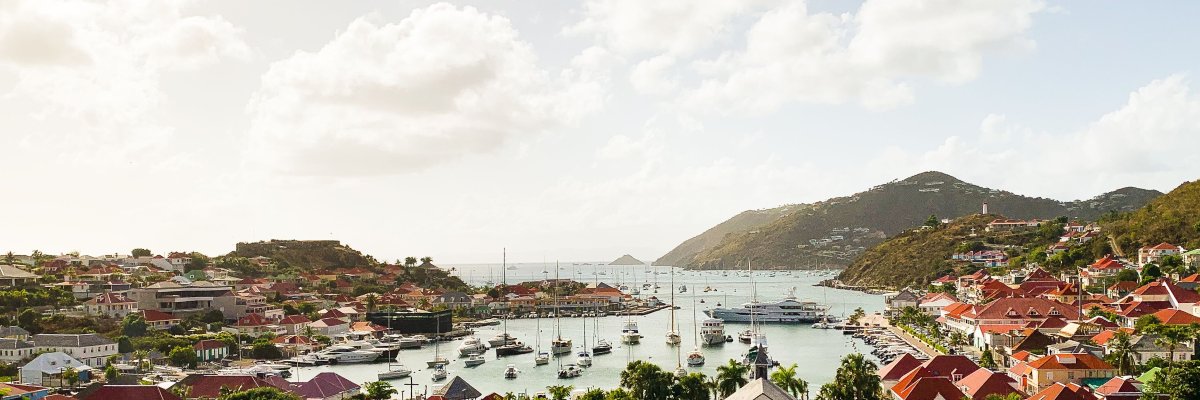
Sweden ruled St. Barts for part of the nineteenth century, and you can still see signs of that history in Gustavia, named after King Gustav III. Street names, old buildings, and the harbor reflect this unique past, but today the island’s identity is mostly French, connecting its history to the present.
A Relaxed Pace
Life on the island moves at a slow, easy pace.
People often take their time with breakfast at a local café. Lunch can stretch into the afternoon, especially at a beach club. In the evening, conversation, good food, and time outdoors matter more than rushing from one activity to another.
Visitors often find themselves slowing down and enjoying the same relaxed pace.
Rather than fitting every beach and attraction into one day, many travelers choose one beach, one restaurant, and plenty of time to enjoy both.
This slower pace of life is now a big part of what makes the island special, and the food culture matches this relaxed rhythm.
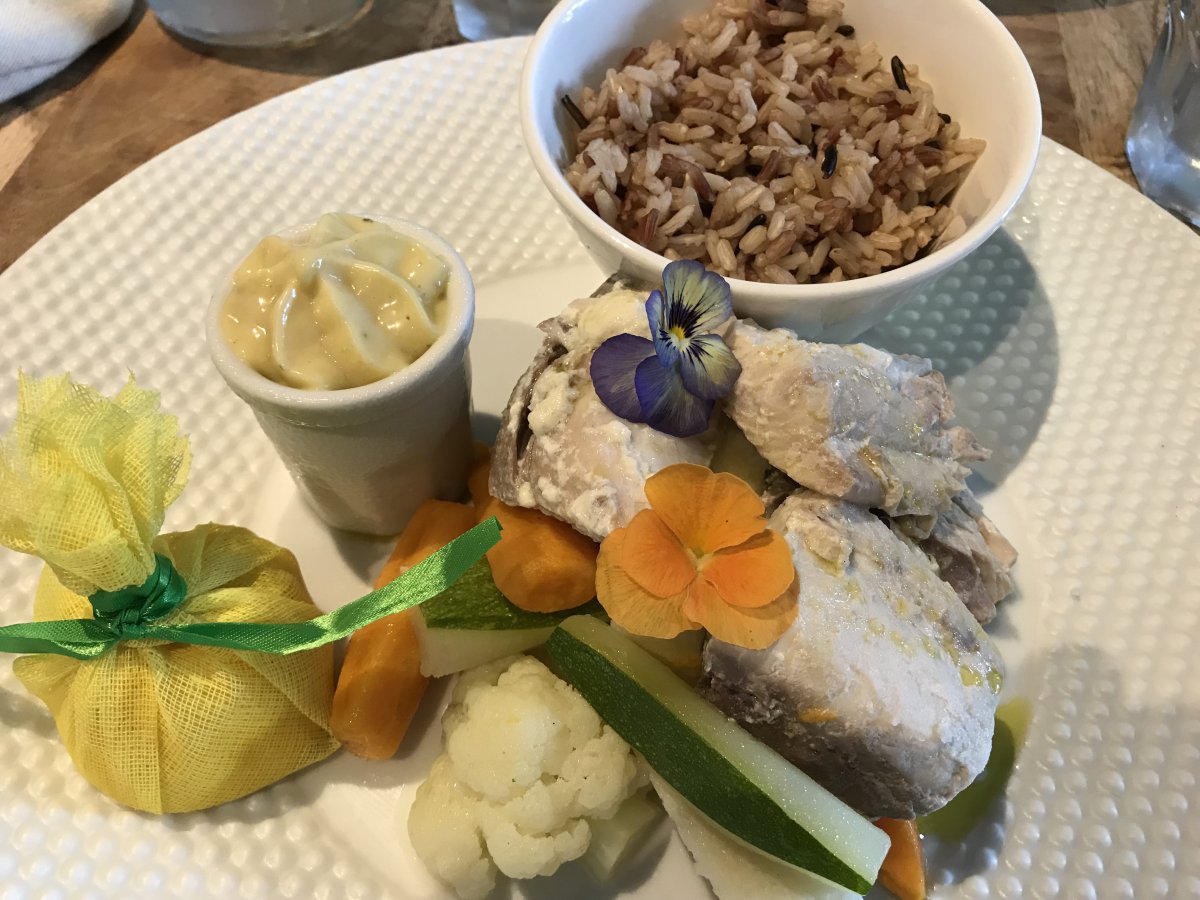
Food Is Part of Daily Life
Dining out in St. Barts isn’t just for visitors. It’s an important part of local culture and daily life.
French cooking traditions blend with Caribbean ingredients to create menus with fresh seafood, seasonal local lobster, tropical fruits, artisan cheeses, pastries, and wines from France.
Mornings usually start with croissants, pain au chocolat, or fresh baguettes from local bakeries.
Lunch is often unhurried, especially at waterfront restaurants where people linger after eating.
Dinner can be anything from a fancy tasting menu to a casual bistro meal with fresh fish and classic French dishes.
For many visitors, the island’s restaurants are a highlight of their trip. This shows how important food is in daily life here.
Architecture That Fits the Landscape
Development in St. Barts follows strict planning guidelines to preserve the island's character, keeping new construction aligned with the landscape.
You won’t find any big hotel towers here.
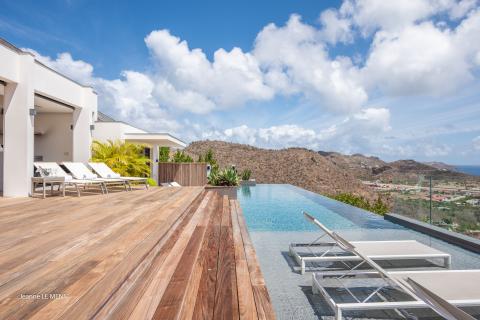
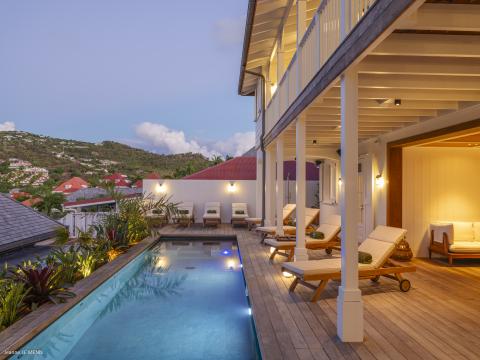
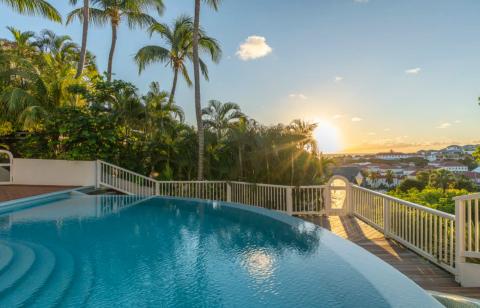
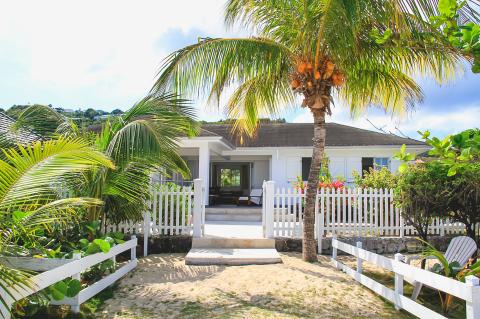
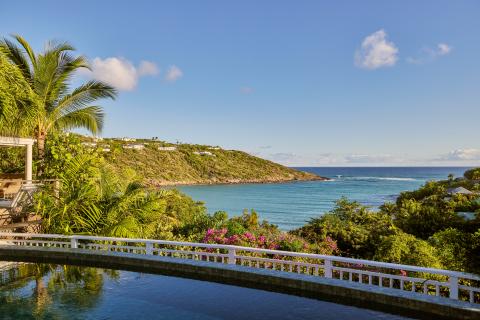
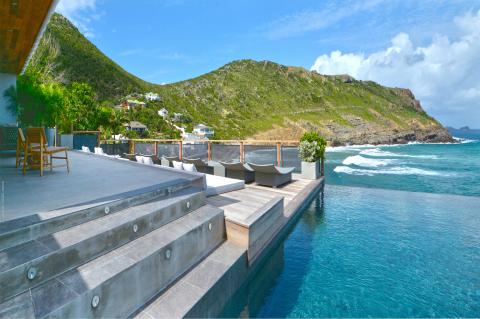
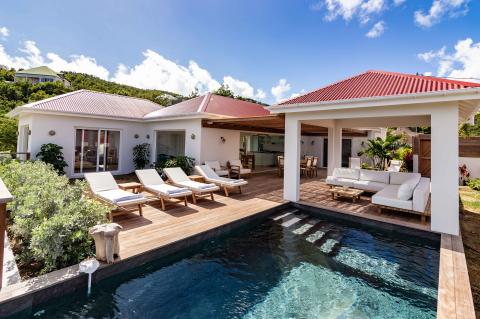
Instead, you’ll find whitewashed homes, red roofs, stone walls, colorful shutters, tropical gardens, and villas that merge into the hillsides. These designs fit the landscape and help preserve the island’s character.
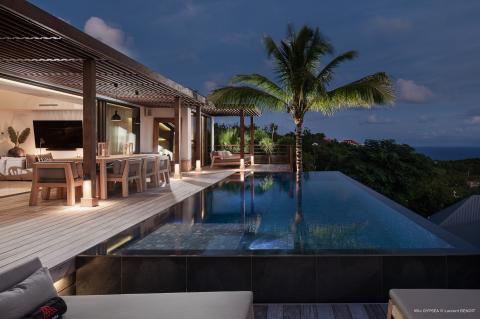
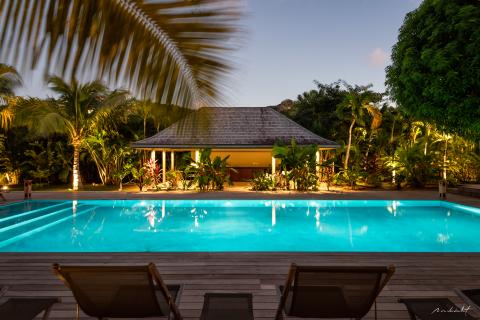
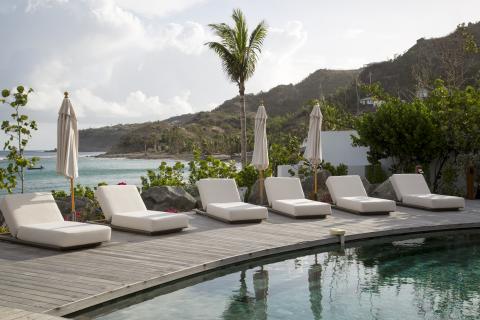
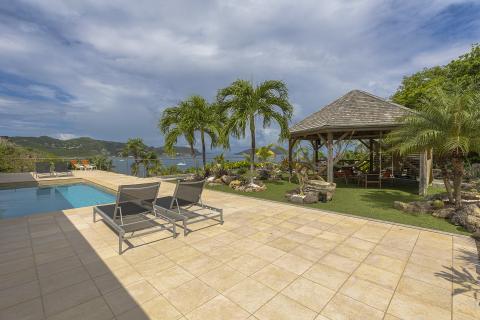
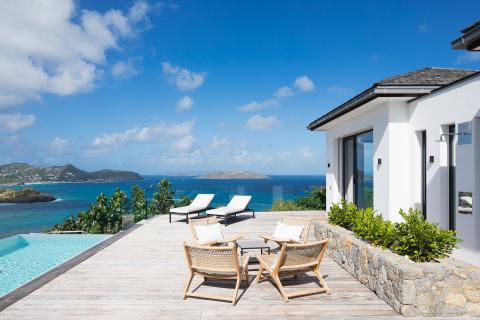
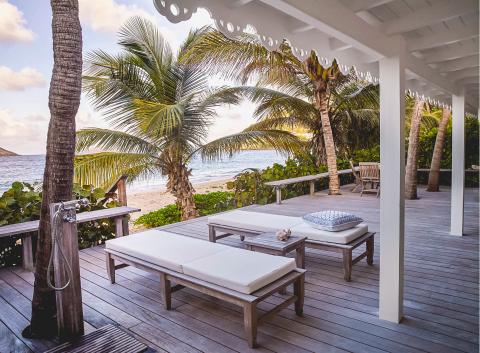
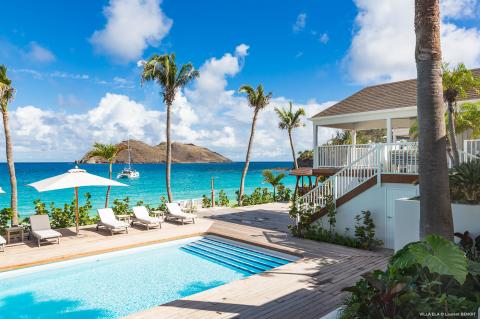
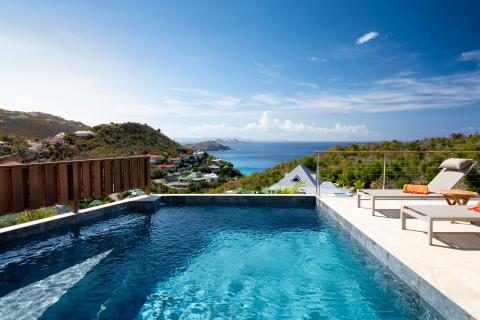
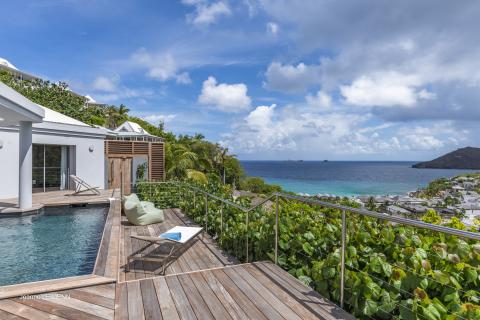
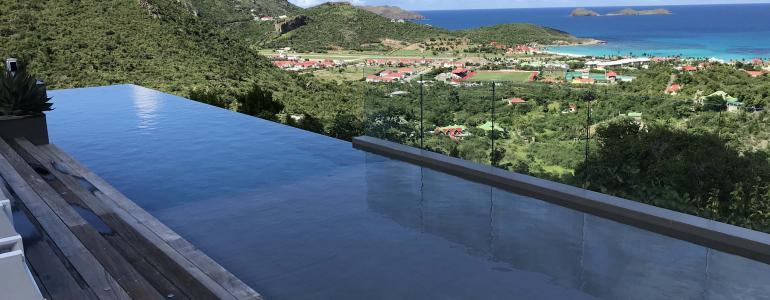
Luxury villas are built to make the most of ocean views, cool breezes, and outdoor living.
The architecture is meant to fit in with the scenery, not stand out from it.
Thanks to careful planning, the island has stayed beautiful even as tourism has grown. This approach also supports the local creative community.
Art, Design, and Local Creativity
Art has always been important in life on the island.
Small galleries display paintings, sculptures, photos, ceramics, and handmade jewelry from both local and international artists.
As you walk around Gustavia, you’ll come across independent shops offering home décor, clothes, fragrances, and unique handmade items you won’t find anywhere else in the Caribbean.
People here appreciate good design, but it never feels excessively formal.
This mixture of style and simplicity gives the island its unique look and brings creative people together.
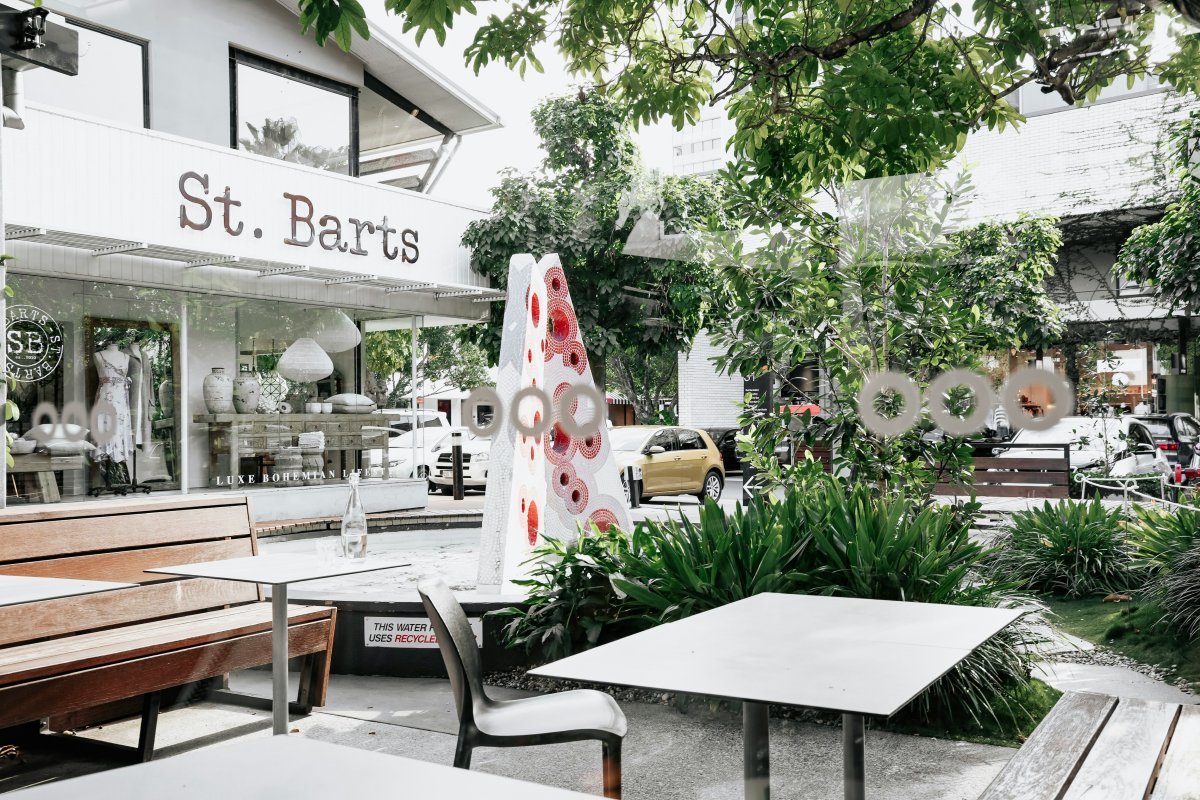
Fashion with a Relaxed Attitude
You can find luxury brands in Gustavia, but fashion here almost never feels too flashy.
During the day and evening, most people wear linen shirts, flowing dresses, leather sandals, and lightweight resort clothes.
Even in upscale restaurants, people usually pick outfits that are both stylish and comfortable, suiting the island’s relaxed vibe.
This simple take on luxury is now part of St. Barts’ identity. It ties fashion to the island’s character and expresses respect for nature.
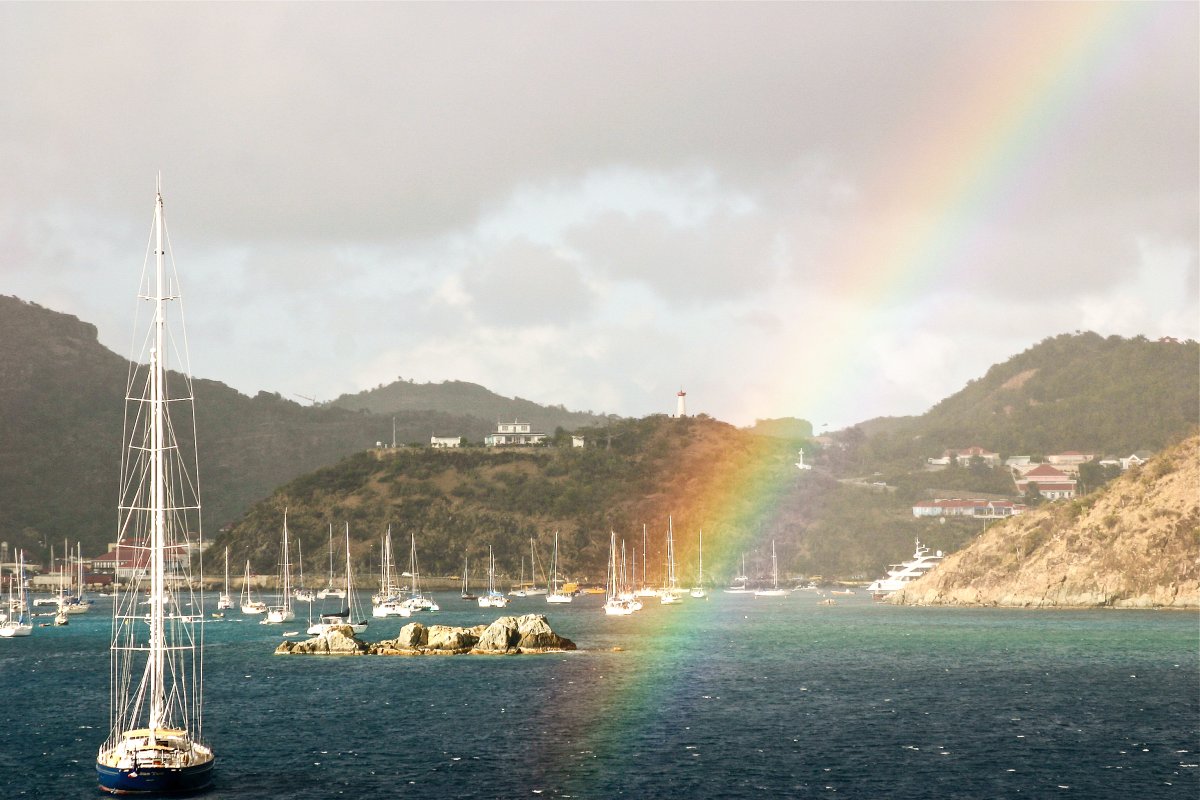
Respect for Nature
People who live here are proud of how they protect the island’s natural beauty.
Marine reserves help keep coral reefs and sea life healthy.
Strict building rules prevent big developments.
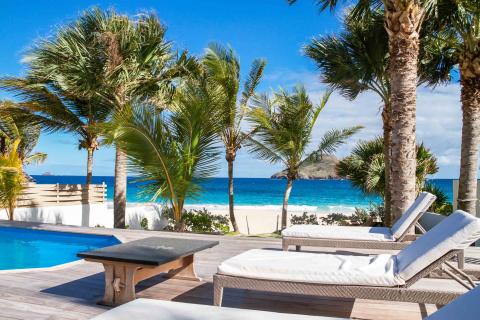
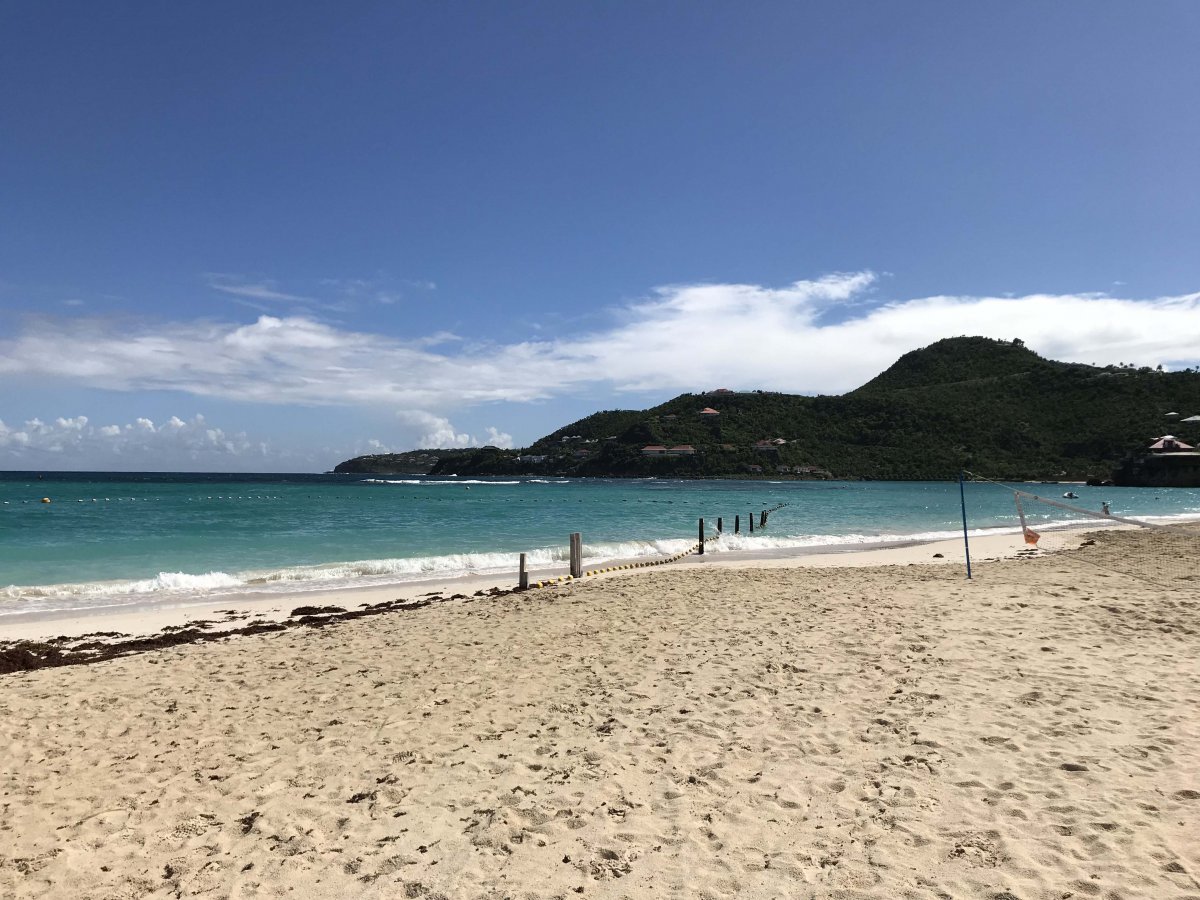
Many beaches remain free of commercial development, allowing visitors to experience stretches of sand that feel natural.
These efforts have preserved what first attracted travelers years ago and have helped shape the personal hospitality visitors encounter today.
Hospitality That Sounds Personal
Service in St. Barts is attentive but never intrusive.
Restaurant staff often remember returning guests.
Villa managers develop relationships with homeowners and visitors over many years.
Concierge teams assist with everything from private chefs and yacht charters to grocery stocking and restaurant reservations.
For travelers staying in luxury villas, this personal service is a big part of the experience and shapes their view of the island. It’s one reason many people return.
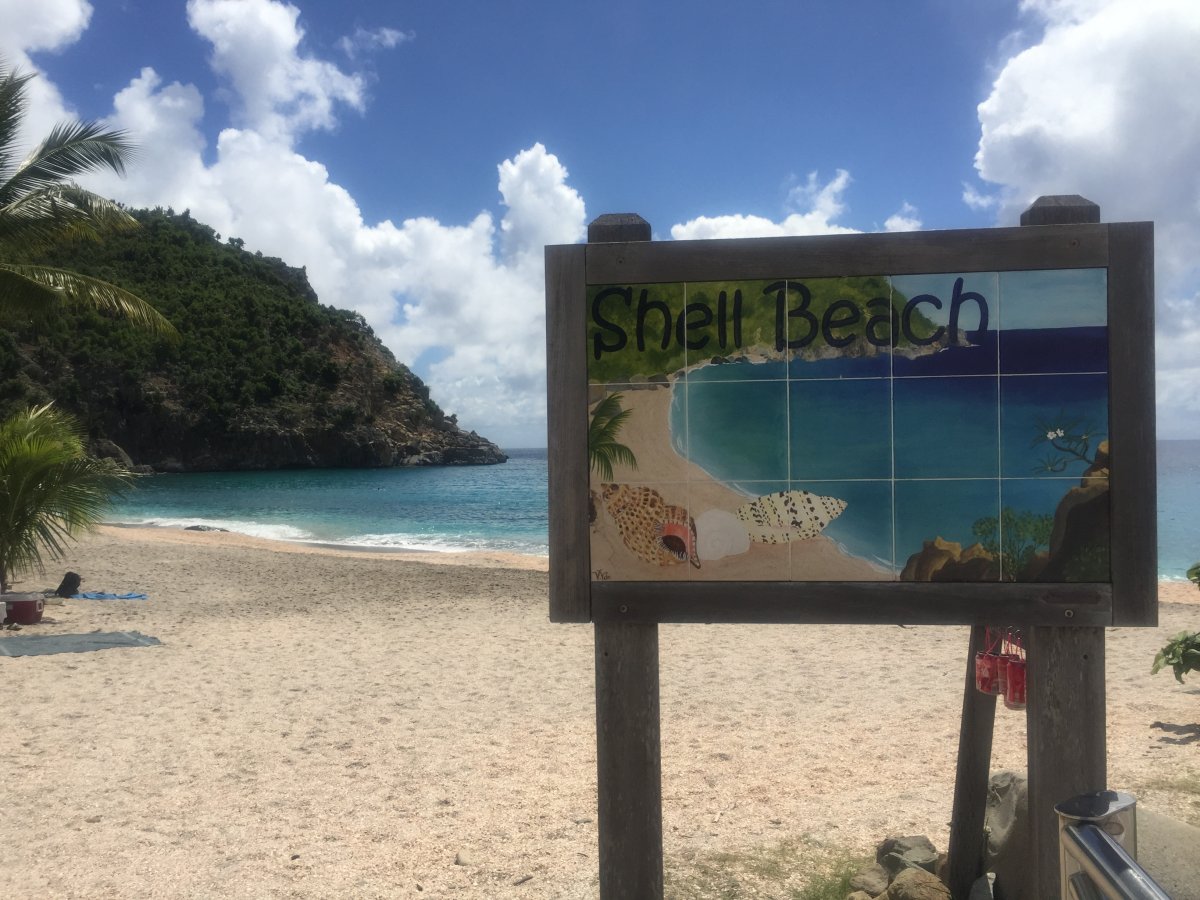
Why Visitors Return
Many places impress first-time visitors, but St. Barts keeps people coming back. Some return for the beaches, others for the restaurants, sailing, shopping, or beautiful villas. For many, it’s the island’s atmosphere that stands out most.
St. Barts inspires lasting loyalty.
Some guests return for the beaches.
Others come back for the restaurants, sailing, shopping, or exceptional villas.
For many, it is the atmosphere itself that becomes memorable.
The island is sophisticated but not formal, luxurious but not over-the-top, and lively while still offering plenty of opportunities for privacy and relaxation. That’s a big part of its lasting appeal.
It’s hard to find that combination anywhere else in the Caribbean.
Frequently Asked Questions
What language is spoken in St. Barts?
French is the official language, although English is widely spoken in hotels, restaurants, boutiques, and throughout the tourism industry.
What currency is used in St. Barts?
The euro is the official currency. Credit cards are accepted at most businesses.
Is St. Barts part of France?
Yes. St. Barts is an overseas collectivity of France with close political and cultural ties to the French mainland.
What is St. Barts known for culturally?
The island is known for blending French traditions with Caribbean hospitality, creating a culture centered on fine dining, quality craftsmanship, relaxed living, and an appreciation for natural beauty.
Is there a dress code in St. Barts?
Beachwear is appropriate near the water, while restaurants and shops generally expect casual resort attire. Evening dining often calls for smart-casual attire.
Are there traditional foods to try?
Fresh seafood, French pastries, artisan breads, locally inspired seafood dishes, tropical fruits, and French wines are all popular choices during a visit.
How does staying in a luxury villa enhance the cultural experience?
Private villas allow guests to experience the island at a slower pace while enjoying local bakeries, markets, restaurants, beaches, and tailored concierge services that reflect the welcoming style of St. Barts hospitality.